

& Juliet BIO:
& Juliet is a groundbreaking jukebox musical that features the iconic songs of Swedish pop songwriter Max Martin, with a book penned by David West Read. The musical reimagines the classic tale of Romeo and Juliet, focusing on Juliet's journey of self-discovery after the tragic death of Romeo. Since its premiere in Manchester in 2019, it has captivated audiences in London's West End and made its Broadway debut at the Stephen Sondheim Theatre in November 2022. Known for its vibrant pop soundtrack and themes of empowerment, & Juliet has garnered positive reviews for its inclusive representation.
This production will be returning to the Bass Concert Hall in Austin on, following its successful past performances at this venue. Fans have praised the show for its energetic atmosphere and engaging storytelling, making it a must-see event.
Some of the top songs featured in the musical include classics like "...Baby One More Time," "Roar," and "Since U Been Gone." The show has also been recognized with multiple nominations at prestigious awards such as the Tony Awards and Olivier Awards, highlighting its impact on contemporary theatre.
Venue and Seating Information:
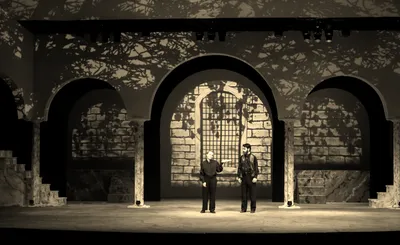
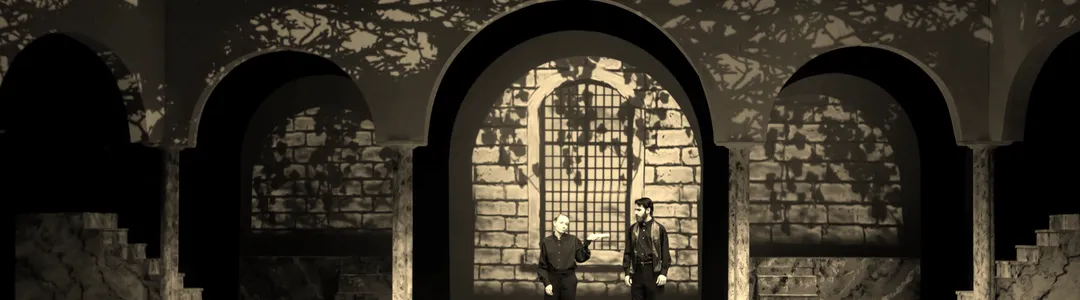
The Bass Concert Hall is renowned for providing an exceptional experience for theatre-goers. Fans have expressed their appreciation for the venue's acoustics and sightlines, which enhance the overall enjoyment of performances. Many attendees recommend sitting in the center orchestra section for the best views and sound quality.
However, some fans have noted that seats in the rear balcony can be less desirable due to limited visibility. Overall, most patrons find that the venue offers a comfortable atmosphere conducive to enjoying live performances.
Parking Information:
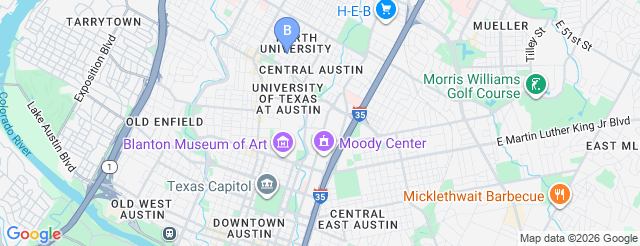
Parking options near Bass Concert Hall are varied, with several choices available to attendees. Fans have shared their experiences regarding parking facilities, often highlighting these options:
- The University of Texas Parking Garage located at 200 E 21st St.
- The San Antonio Street Garage at 300 San Antonio St.
- The Texas Union Garage at 2400 Nueces St.
The best parking option is often considered to be the University of Texas Parking Garage, which is conveniently located just a short walk from the venue. The address is 200 E 21st St., with pricing typically around $10 for event parking.
While many fans appreciate these options, some advise against using street parking due to limited availability and potential towing risks. It is recommended to arrive early to secure a spot in one of the designated garages.
```